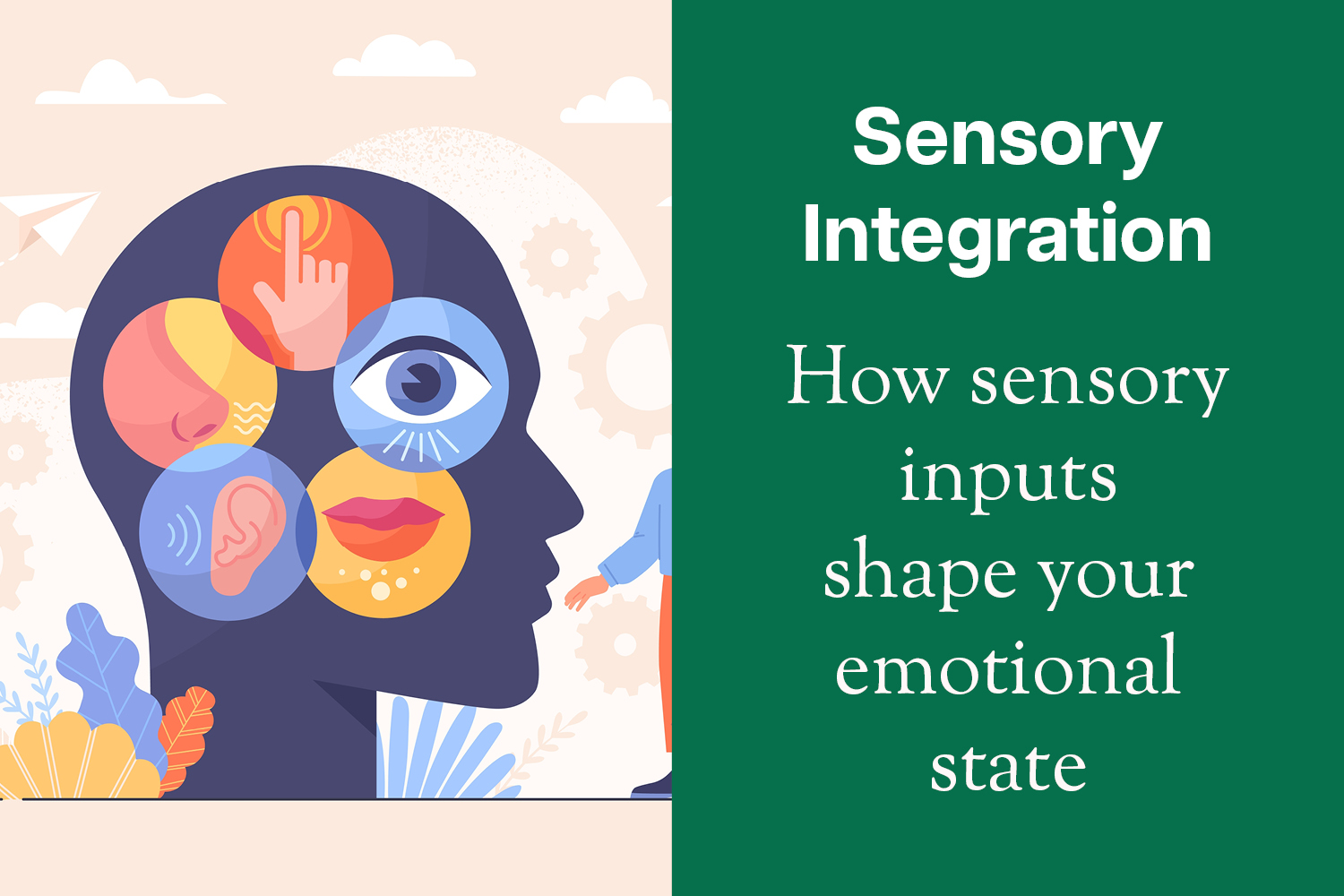
Your body sends a constant stream of information to your brain about pressure, movement and contact with the world around you.
Sensory input like this has a direct effect on how grounded, calm or alert your body becomes. A warm hug, the weight of a blanket or the feeling of grass under your feet, for example, can shift your whole mood in seconds.
Understanding how this sensory flow affects your emotional state can help you make sense of why certain experiences feel calming. It also highlights why precise, gentle input through chiropractic care can support your overall sense of ease.
While you might physically clock off for the night, your sensory system stays active 24/7.
Receptors in your skin, muscles and joints continually gather information about touch, pressure, temperature and movement. These signals travel through your sensory nervous system and help your brain understand your environment and your position within it.
Proprioception plays a major role here. It’s the internal sense that tells you where your limbs are in space and how your body is positioned without you needing to look.
This steady feedback loop supports balance, coordination and a general feeling of physical security.
Sensory information doesn’t only guide movement, however. It also reaches the parts of the brain involved in emotional regulation. The sensory system is closely linked with the autonomic nervous system, which governs your stress and relaxation responses.
Gentle pressure, slow movement and predictable touch tend to activate the parasympathetic branch of the nervous system.
That’s the state associated with rest, digestion and a sense of safety. Sudden or overwhelming sensations can activate the sympathetic branch instead, creating the familiar signs of tension or anxiety.
Modern environments expose us to a constant stream of intense sensory input. Bright screens, loud notifications and busy surroundings can overwhelm the nervous system. When your brain interprets this as ongoing demand, it shifts into a more alert, protective mode.
That shift often shows up physically. Muscles tighten, breathing becomes shallow and your body stays braced for longer than it needs to. Over time, this pattern contributes to persistent discomfort and a sense of being on edge.
A chiropractic adjustment delivers precise, controlled sensory input to the joints of the spine. These movements send clear signals to the central nervous system, helping interrupt patterns of tension that have become habitual.
This targeted input can encourage a shift away from a stressed, sympathetic state and towards a calmer, parasympathetic one. When the brain receives organised, predictable information from the body, it becomes easier to release stored tension. This supports emotional steadiness as well as physical comfort.
You can shape your sensory environment in ways that help your nervous system settle. Simple actions often work best. Noticing the warmth of a cup of tea, the weight of a blanket or the feel of your feet on the floor can provide grounding input.
Gentle stretching, slow breathing, warm baths or time outdoors all offer predictable, soothing sensations. These small practices help your body recognise safety and reduce the background noise that contributes to tension.
Your sensory system shapes how you experience the world and how you respond to it. Paying attention to the signals that calm you and the ones that overwhelm you builds awareness of what your nervous system needs.
When your body can process sensory information clearly, you feel more grounded and resilient. That steadiness makes daily life easier to navigate and strengthens your connection to your own body. It’s a practical way to create a foundation of calm that supports both emotional and physical well‑being.