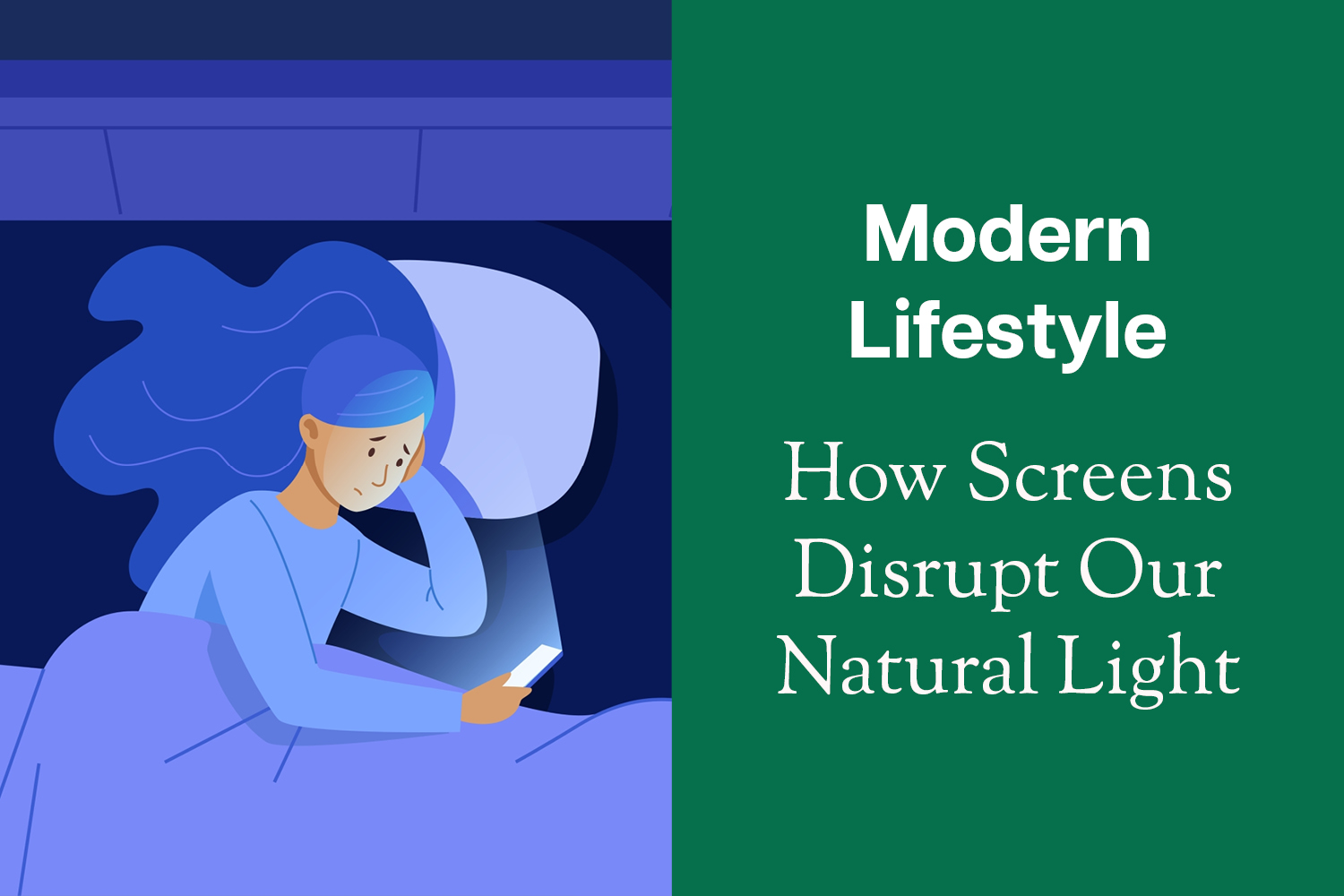
Our lives are bathed in light from screens, lamps and devices that rarely switch off. While technology has made life easier, it has also changed the light signals our bodies depend on to function properly.
The result is a modern light environment that can confuse biological rhythms, strain our eyes and affect how we sleep and recover. Understanding how artificial light influences your body can help you make choices that restore balance and improve wellbeing.
For most of human history, our bodies evolved to respond to the natural rise and fall of sunlight. Morning light signalled it was time to be alert, while darkness prepared us for rest.
Today, artificial light keeps our surroundings bright long after sunset, sending mixed signals to the brain. This constant exposure blurs the distinction between day and night, which can disrupt the circadian rhythm.
Over time, this misalignment affects hormones, digestion and even mood. Your body depends on light cues to keep time, and when those cues are inconsistent, your internal clock can fall out of sync.
Modern living has changed our light cycle, but awareness can help us adapt more wisely.
Screens are one of the biggest sources of artificial light in daily life. Phones, computers and televisions emit a high level of blue light, which strongly affects the brain.
During the day, it helps you stay alert and focused. At night, however, it suppresses melatonin, the hormone that signals it is time to sleep.
The result is a restless mind and disrupted sleep cycles. Long hours of screen time can also cause eye strain, headaches and neck tension.
These symptoms are signs that your body is struggling to manage the constant visual and postural demands of technology. Protecting your eyes and setting screen limits in the evening helps your body unwind naturally.
Just as we practise good hygiene for our bodies, we can build better habits for light. Light hygiene means managing exposure so your body receives the right signals at the right times.
In workplaces or homes with minimal natural light, try to spend short breaks outdoors or near a window. Adjust your lighting to mimic natural cycles—brighter in the morning and softer as evening approaches.
Reduce overhead glare and choose warmer bulbs for night-time use. These small adjustments help maintain the rhythm your body relies on for focus, relaxation and recovery.
Good light habits support both productivity and restorative rest.
Technology does not just affect our eyes and sleep; it also changes how we hold our bodies. Hours spent leaning toward screens can create tension through the neck, shoulders and spine.
Over time, this posture places extra strain on muscles and nerves, contributing to discomfort and fatigue. Chiropractic care helps restore balance by improving spinal alignment and easing physical stress.
Adjustments can relieve tension and improve nerve communication. This helps the body adapt better to daily demands.
A healthy spine supports both structural and neurological balance in a tech-heavy world.
Despite the challenges of modern lighting, there are simple ways to reconnect with nature’s rhythm. Step outside early in the day to reset your internal clock and open blinds to let natural light in.
Make evenings calmer by dimming lights and unplugging from screens. These habits help your body rediscover the contrast between light and dark.
This contrast is the foundation of healthy sleep, energy and emotional balance. Chiropractic care complements this by ensuring your nervous system can respond smoothly to natural cues.
By reclaiming your relationship with natural light, you can find calm, clarity and vitality—even in a digital world.