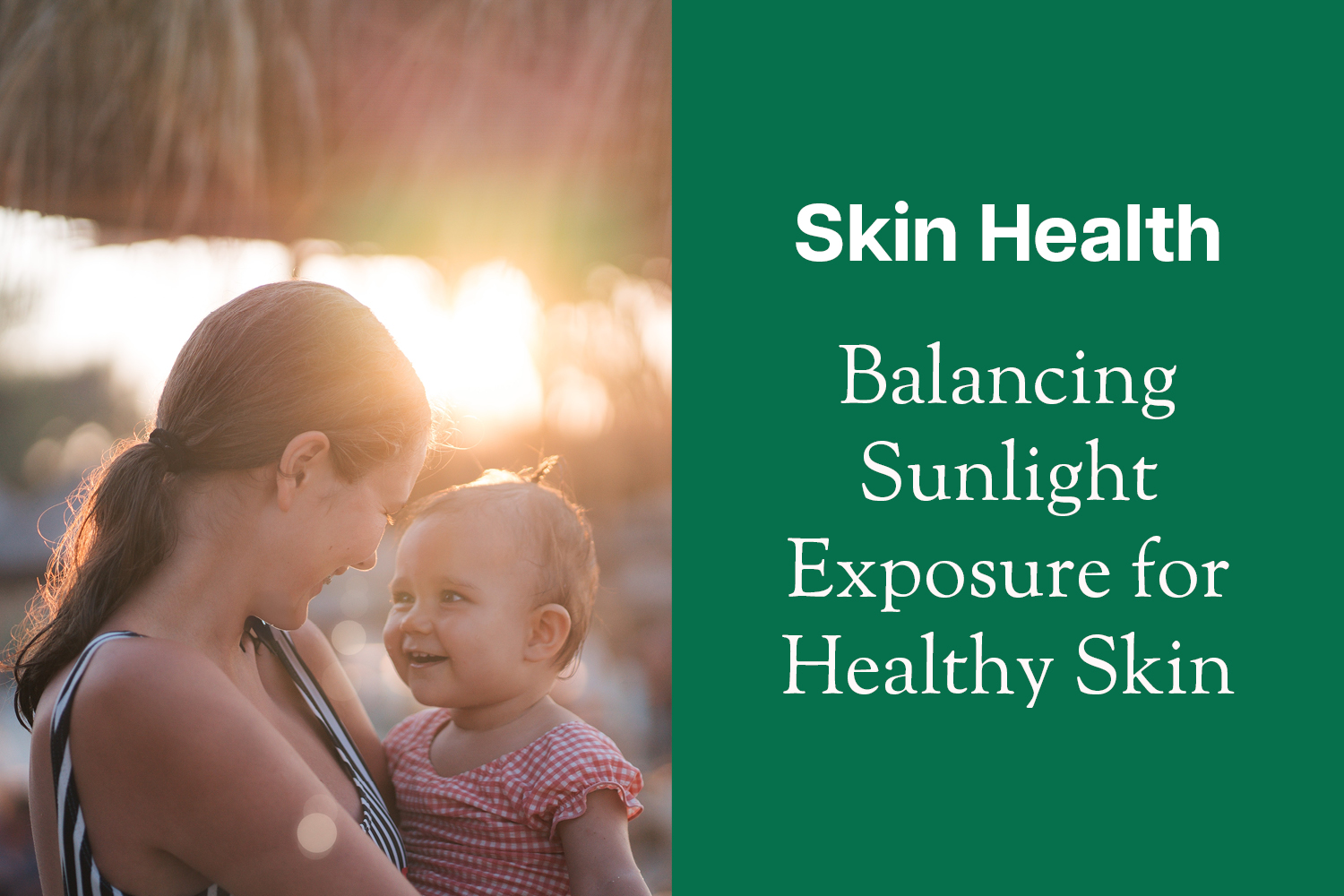
Our skin is more than a protective barrier; it is a dynamic interface between our bodies and the environment.
When sunlight touches the skin, it triggers a cascade of biological reactions that influence hormone production, immune response, and overall wellbeing.
Understanding this relationship helps us make informed choices about sun exposure, protection, and health.
Ultraviolet (UV) rays initiate the production of vitamin D, a hormone essential for bone health, immune function, and mood regulation. But UV light is a double-edged sword: the same rays that help us thrive can also damage skin cells, leading to inflammation, collagen breakdown, and increased cancer risk.
To manage this, the skin adapts.
The outer layer (epidermis) reflects and absorbs some UV radiation, while deeper layers produce melanin, a pigment that helps shield DNA from harm. This adaptive response is part of the skin’s natural balancing act, but it can be overwhelmed by excessive exposure.
In our indoor-oriented lives, we often err on the side of caution, avoiding sunlight altogether. While this reduces the risk of sunburn, it can also lead to vitamin D deficiency and other health issues linked to insufficient light.
Short, regular periods of midday sun, just a few minutes on exposed skin several times a week, can support healthy vitamin D levels. The exact amount varies with skin tone, geography, and season, but the principle remains: mindful exposure is more beneficial than fear-based avoidance.
Melanin plays a central role in this balancing act.
It absorbs and disperses UV rays, offering natural protection. People with darker skin tones have more melanin, which means greater built-in defence but also slower vitamin D synthesis, since melanin filters out some UVB light.
This does not mean more sun is always better. It means that understanding your skin’s natural rhythm can help you tailor your exposure safely and effectively.
A common myth is that sunscreen blocks all vitamin D production.
In reality, most people do not apply sunscreen thickly or evenly enough to prevent UVB rays from reaching the skin. Sensible use, along with hats, shade, and timing, can protect against damage while still allowing for vitamin D synthesis.
The real issue is not sunscreen itself but the tendency to avoid the sun entirely. A balanced approach means using protection wisely, not fearfully.
Ultimately, the relationship between sunlight and skin is about rhythm and respect. Too little light can leave us depleted; too much can cause lasting harm. The goal is to understand how your body responds and adapt your habits accordingly.
Safe sun practices, good nutrition, and a lifestyle that includes regular natural light can help your skin do what it is designed to do: protect, regulate, and support your health.
When you work with the sun rather than hiding from it, you create the conditions for vitality and resilience.